

dr Agata Goździk
gozdzik@igf.edu.pl
Citizen Science Unit


Completed projects: 0 Total share value: 0 PLN
Within the framework of national projects, the Institute of Geophysics PAS conducts interdisciplinary research that addresses key scientific
and societal challenges of the modern world. Thanks to the support of national research programs, it is possible to carry out innovative initiatives that not only expand our knowledge of the Earth and its processes, but also contribute to the development of technology, education, and public awareness. These initiatives bring together the knowledge, experience, and passion of Polish scientists, creating a foundation
for sustainable development and the responsible shaping of the future.

dr Agata Goździk
gozdzik@igf.edu.pl
Citizen Science Unit
Project value: 115 000,00 PLN
Funding institution: Ministry of Education and Science, programme: “Social Responsibility of Science II – Popularisation of Science”
Discipline: Earth Science
Project duration: 2023-2025

The “GEOGADKA” project aims to increase the visibility of Polish scientific achievements, particularly geophysics, and to increase public interest in it and knowledge of its importance. Geophysical research will be popularized in Polish society through webinars and the production of 15 expert videos. Short, light-hearted videos recorded by PhD students and young scientists will encourage young people to pursue a scientific career. The “Mobile Geophysical University” will organize classes for universities of the third age, children’s universities, local associations, and schools. Podcasts will address the most important and current issues in geophysical research, with particular emphasis on climate change and its effects, as well as geohazards. The project is aimed at the general public and has a nationwide reach. The project aims to deliver the following outcomes: 15 podcasts, 10 lectures, 4 educational stands, 7 expert videos titled “Geophysics Without Secrets,” 20 short films, 12 webinars, 3 sets of press materials, and an exhibition.
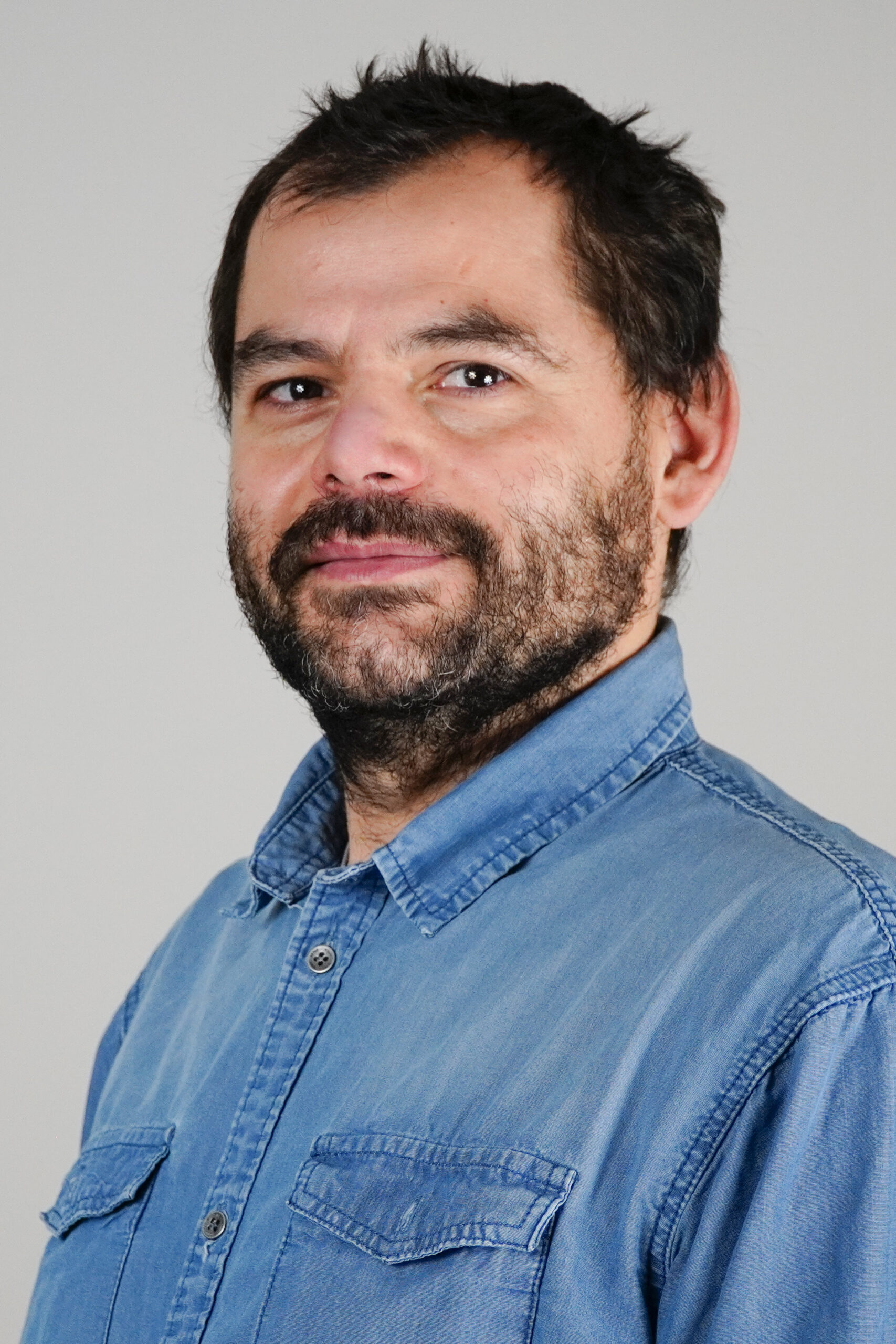
dr hab. Mateusz Moskalik
mmok@igf.edu.pl
Department of Polar and Marine Research / Polish Polar Station Hornsund
Project value: 17 241 493,58 PLN
Funding institution: Minister of Science and Higher Education
Project description: Expansion and modernisation of the technical and scientific infrastructure of the Siedlecki Polish Polar Station Hornsund.
Project duration: 2026-2030


The project involves the construction of an environmentally friendly, energy self-sufficient building combining technical and operational facilities with laboratory space and educational and conference facilities.
The main objective of the new building is to replace the existing building used for water transport operations, which is at risk. Given the location of the Siedlecki Polish Polar Station Hornsund within a national park and the need to conduct research with minimal human impact on the natural environment, the new building is designed to be environmentally friendly and energy self-sufficient.
Another key component of the project is the reconstruction and relocation of the fuel station due to its proximity to the coastline. As coastal erosion intensifies, the fuel tanks, with a total capacity of 125 m³ of diesel fuel, are currently located approximately 8 metres from the shoreline. The project predicts relocating
the entire fuel station to a safe location.
Funding: Targeted grant awarded by the Ministry of Science and Higher Education from the State Budget.
dr Agata Goździk
gozdzik@igf.edu.pl
Citizen Science Unit
Project value: 345 000,00 PLN
Funding institution: Minister of Science and Higher Education
Discipline: Earth Science as well as visual arts and art conservation
Project duration: 2026-2028

The MAG project aims to popularise geophysics and Earth sciences in a modern, mobile and multimedia format accessible to a wide range of audiences, with a particular focus on school students, university students and local communities.
Despite its key importance for understanding processes occurring within and on the surface of the Earth, geophysics remains relatively little known outside the academic community. In an era of rapid environmental and technological change, knowledge about the Earth is of strategic importance, both for the economy and for building an informed and responsible society. MAG aims to bridge the gap between scientific research and public awareness of its importance. Thanks to its mobile format, the project will also reach smaller towns and regions located far from academic centres.
Multimedia tools will enable participants to experience science in an interactive way through visualisations and immersive experiences. Combining science and art through creative artistic interpretations of topics related to geophysics and polar research, and presenting the results in poster exhibitions, will make the project widely accessible to the public and enhance its educational impact. It will also promote creative approaches to science communication.
Specific objectives of the project include:
The project will reach at least 8,000 people and involve at least 95 creators, speakers and lecturers.
The project is financed from the state budget funds awarded by the Minister of Science and Higher Education under the Social Responsibility of Science III Programme. The project number: SPN/SP/0307/2026/01, funding value: 276 210,00 PLN, total project value: 345 520,00 PLN
dr Agata Goździk
gozdzik@igf.edu.pl
Citizen Science Unit
Project value: 277 173,00PLN
Funding institution: Ministry of National Education, programme: “The Explorers”
Discipline: Earth Science
Project duration: 2025

The project plans to conduct extensive educational activities aimed at popularizing Earth sciences and polar research among primary and secondary school students and supporting teachers in conducting classes on these topics. The project combines modern teaching methods, career counseling elements, and direct contact between students and scientists and the research community, making it unique among typical educational programs. The project aims to foster cognitive curiosity, increase interest in the world around them, shape knowledge in STEM, and inspire careers in the natural sciences. It involves a combination of modern educational tools, research practice, and career counseling. As part of GeoAkcja, we are planning 30 interactive online lessons for schools across Poland – on geophysics, climate change, and the work of scientists in the polar regions; 20 workshops and demonstration classes in schools featuring the experiments and participation of scientists; visits by 41 student groups to geophysical observatories in Świder, Belsk, and Racibórz, as well as to the Institute of Geophysics PAS; an innovative educational game, “Polar Escape Room,” available in both traditional and online versions; and workshops for teachers to support the delivery of geophysics and polar research classes. Thanks to the variety of formats, locations, and topics, as well as the involvement of scientists, students and teachers will receive inspiring and valuable support.
dr Ilya Bruchkouski
Department of Atmospheric Physics
Project value: 22 182,00 PLN
Funding institution: National Science Centre, Poland
Discipline: Earth Science
Project duration: 2026-2027

Air pollution is one of the major environmental challenges, particularly in urban areas. Nitrogen dioxide (NO₂) is an important air pollutant that negatively affects human health and air quality. Its concentrations can vary significantly even between neighbouring streets, making it essential to understand how this gas disperses in order to assess human exposure and the effectiveness of emission reduction measures.
The project aims to develop and test a method for measuring the spatial distribution of NO₂ using an innovative camera based on the principle of gas correlation spectroscopy. The research will include measurements in Warsaw and observations of a major emission source in the vicinity of the Bełchatów Power Plant in Poland. Collaboration with the Max Planck Institute for Chemistry in Germany will support the development of measurement techniques and data analysis methods. The results will contribute to a better understanding of the spatial variability of NO₂ pollution and the development of more accurate approaches to monitoring urban air quality.

dr Brij Bhushan Singh
Department of Seismic Research
Project value: 32 720,00 PLN
Funding institution: National Science Centre, Poland
Discipline: Earth Science
Project duration: 2026-2027
The growing demand for critical raw materials is driving mineral exploration towards greater depths and more geologically complex environments. Accurate imaging
of these deposits remains a major challenge, as individual geophysical methods cannot simultaneously provide sufficient depth penetration and high spatial resolution.
The project aims to develop and test a new velocity model building workflow based on the joint inversion of seismic and controlled-source electromagnetic data. Combining these methods is expected to improve the imaging of deep, complex geological structures associated with mineral deposits.

dr inż. Maria Maraszewska
maria.maraszewska@igf.edu.pl
Department of Polar and Marine Research
Project value: 49 280,00 PLN
Funding institution: National Science Centre, Poland
Discipline: Earth Science
Project duration: 2026-2027
The aim of the project is to conduct preliminary research into the age and provenance of the igneous and sedimentary precursors of previously insufficiently studied metamorphic rocks forming the Paleozoic crystalline basement of the Low Tatra Massif in the Western Carpathians.
Due to its complex tectonothermal history, the basement of the Western Carpathians has an uncertain position in relation to other domains of the Variscan orogen, as well as to the ancient continents of Gondwana and Baltica.
The principal tool used in this research is zircon, a mineral preserved in the studied rocks. U–Pb dating of zircon will be used to establish the age constraints for the formation of their protoliths. In addition, analysis of elemental composition and Lu–Hf isotopic systematics will provide insights into the nature of the magmatism and the source regions of the zircon-bearing sediments.
Linking geological processes with their temporal framework will be crucial for determining the petrogenesis of the studied rocks and, more broadly, for understanding the paleogeographic correlations of the present-day basement of the Western Carpathians.

dr Kaveh Ghahraman
kaveh.ghahraman@igf.edu.pl
Department of Hydrology and Hydrodynamics
Project value: 11 000,00 PLN
Funding institution: National Science Centre, Poland
Discipline: Earth Science
Project duration: 2026-2027
The project aims to investigate how surface water temperature in the Vistula River varies over time and along the course of the river, and to assess the influence of climatic, hydrological, morphological and anthropogenic factors on these changes. Water temperature plays a key role in the functioning of river ecosystems. It affects, among other things, water quality, oxygen levels, the distribution and occurrence of aquatic organisms, and numerous ecological processes. The project will combine thermal observations from Landsat 8 and Landsat 9 satellites collected between 2013 and 2025 with field measurements conducted at selected locations along the Vistula River. This approach will make it possible to track changes in water temperature across different sections of the river and over successive years.
Particular attention will be paid to urban areas and other locations exposed to strong anthropogenic pressure, where thermal stress may be elevated. The results will contribute to a better understanding of how the Vistula responds to climate change and human activities, while also supporting the development of more effective methods for monitoring river health and condition.

dr Sylwia Dytłow
skdytlow@igf.edu.pl
Department of Magnetism
Project value: 2 219 414,00 PLN
Funding institution: National Science Centre, Poland
Discipline: Earth Science
Project duration: 2026-2030
The PLASMAG project is developing a new, low-cost and environmentally friendly method for the removal and identification of microplastics from urban road dust using natural geogenic magnetite and synthetic nanomagnetite.
Microplastics originating from tire wear, packaging, road paints and polymer-modified asphalt account for only a small fraction of road dust by mass, yet their toxicity and ability to transport persistent organic pollutants make them a serious environmental concern.In the first stage, controlled laboratory experiments using highly reactive nanomagnetite are conducted to understand the fundamental mechanisms governing the interactions between magnetic particles and different types of polymers. Advanced magnetic measurements, SEM imaging and spectroscopic analyses reveal how particle size, shape, surface chemistry and environmental aging affect sorption efficiency.
Following optimization, synthetic nanomagnetite is replaced with naturally occurring, widely available magnetite, making the method more cost-effective and sustainable. The optimized protocol is then validated using authentic road dust samples collected from industrial, traffic, residential and recreational areas. Within these complex matrices, we investigate in detail the natural occurrence of heteroaggregates in which organic pollutants and anthropogenic magnetite particles derived from brake-pad wear are already firmly associated. Infrared spectroscopy signatures (FTIR and LDIR), magnetic parameters and morphological characteristics are integrated using artificial neural networks to automate particle classification and predict microplastic concentrations.Preliminary laboratory results have already demonstrated nearly complete recovery of the tested polymers. The ultimate outcome of the project is a practical, rapid and scalable tool suitable both for scientific research and routine monitoring of the urban environment.

mgr Yiwei Guo
yguo@igf.edu.pl
Department of Hydrology and Hydrodynamics
Project value: 209 960,00 PLN
Funding institution: National Science Centre, Poland
Discipline: Earth Science
Project duration: 2026-2029
This project investigates how seasonal changes in riparian vegetation influence river roughness and hydrodynamic processes. By combining satellite imagery and UAV observations, the project develops methods to monitor vegetation dynamics and estimate spatially variable roughness over time. The study focuses on selected reaches of the Vistula River and aims to improve the accuracy of flood modelling and support river management and ecological conservation.

mgr Meri Korhonen
mkorhonen@igf.edu.pl
Department of Polar and Marine Research
Project value: 190 198,00 PLN
Funding institution: National Science Centre, Poland
Discipline: Earth Science
Project duration: 2026-2029
As the polar and sub-polar regions continue to warm, glaciers and permafrost are melting at an accelerating pace. This melting not only adds freshwater to the ocean but also carries large amounts of fine sediment, tiny particles of rock and soil eroded by glaciers, into nearby fjords. The sediment delivered by meltwater can spread nutrients essential to marine life, but when too much sediment enters the water, it can block sunlight and disrupt the balance of coastal ecosystems. This phenomenon known as coastal darkening already concerns one fifth of the global ocean area and glacial melt is one of its causes. One area, where the sediments have decreased the volume of marine habitats, is the zone between North Atlantic and Arctic oceans, around the Svalbard archipelago. One important factor influencing how these sediments behave is the shape and structure of the fjord itself. In particular, underwater ridges called bathymetric sills can act like natural barriers. These sills can trap sediment close to the glacier, affecting where it ends up and how it settles. Depending on the layering of warmer, saltier ocean water and cooler, fresher meltwater, these sediment-rich plumes might stay deep below the surface, making them harder to detect from space. The coastal currents, which distribute the sediments, change as the glacial melt intensifies during summer months. These changes are difficult to capture through short-term field studies. This research focuses on Hansbukta, a small bay in the Svalbard archipelago, which is separated from the larger Hornsund fjord by a shallow sill. Using a unique dataset collected over multiple years and seasons, the study aims to understand how the shape of the seafloor and seasonal changes in water flow influence where and how sediments spread and settle. The team is also investigating flocculation, a process where fine particles stick together to form larger clumps that sink more easily. An upcoming three-week field campaign will collect new data on water currents, particle size, and sedimentation to better understand how the sill may help trap sediment in the bay. By exploring these local processes, the research will shed light on similar systems around the Arctic and Antarctic where glaciers are rapidly melting. The results will help scientists predict how changes in sediment flow could impact marine environments in a warming world.
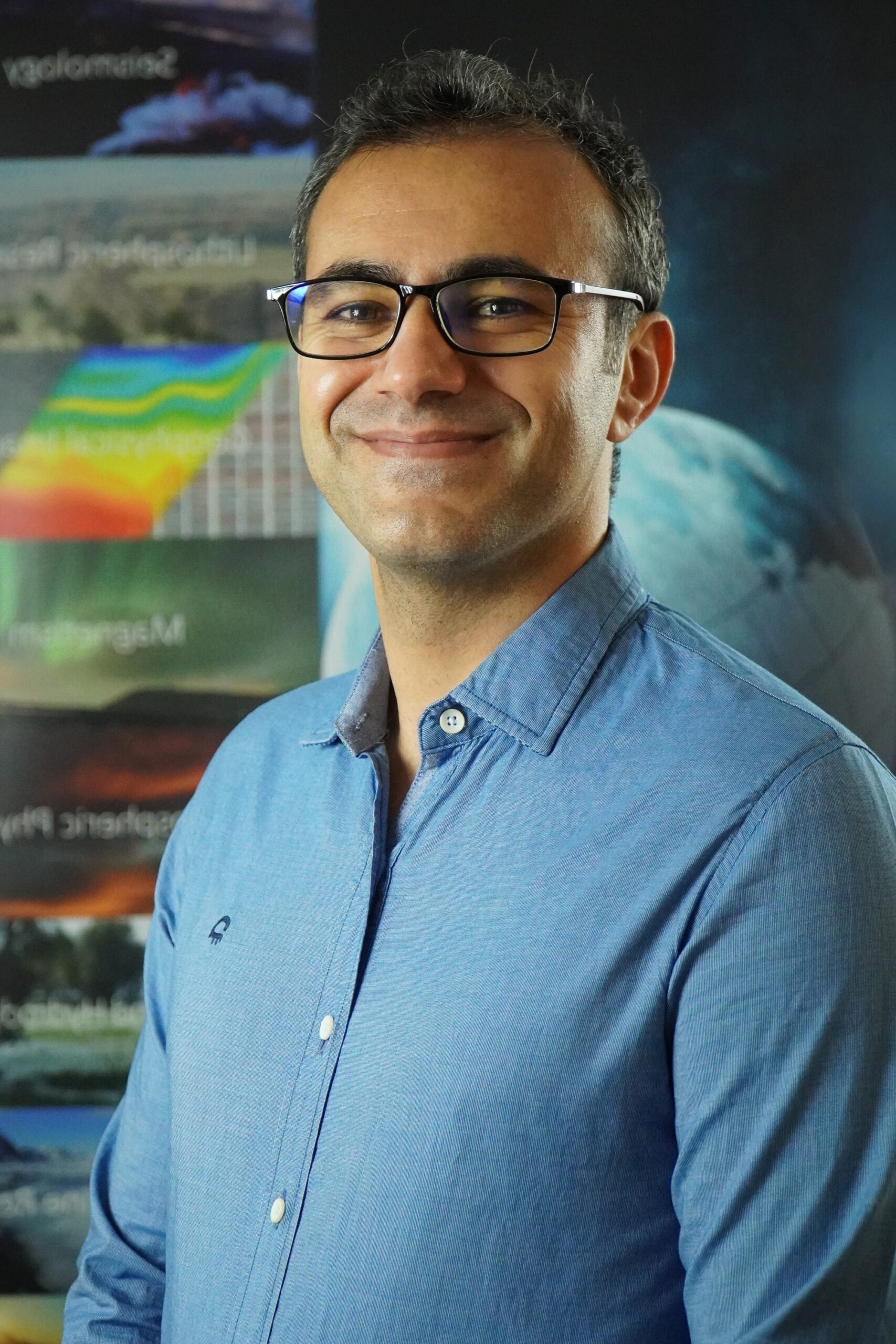
dr hab. inż. Hossein Hamidifar
hhamidifar@igf.edu.pl
Department of Hydrology and Hydrodynamics
Project value: 16 195,00 PLN
Funding institution: National Science Centre, Poland
Discipline: Earth Science
Project duration: 2025-2026
Bridge pier scour is one of the most common causes of bridge failures worldwide. During floods, floating debris can accumulate around bridge piers, blocking the flow of water and intensifying erosion of the riverbed. Although protective stone layers (riprap) are widely used to reduce this effect, their performance may be compromised when debris builds up.
Recent research has shown that the interaction between debris, water flow, and protective measures is highly complex and not yet fully understood. This project aims to explore how water movement and turbulence behave around debris-blocked, riprap-protected bridge piers. The findings will provide new insights into erosion processes and support the development of more effective bridge protection strategies.

dr hab. inż. Andrzej Bartłomiej Górszczyk
agorszczyk@igf.edu.pll
Department of Seismic Research
Project value: 1 847 080,00 PLN
Funding institution: National Science Centre, Poland
Discipline: Earth Science
Project duration: 2025-2029
Oceans cover more than 70% of the Earth’s surface, and many key geodynamic processes take place deep beneath them. To study these processes, ocean-bottom seismometers (OBS) are used, which record seismic waves and make it possible to reconstruct the structure of the Earth’s interior. Although this technology is highly developed in industry, academic research still relies on overly sparse deployment of instruments, which limits data quality.
The project aims to develop new methods for the acquisition and processing of OBS data in order to better utilize their potential. This will enable more accurate imaging of geological structures and a better understanding of processes occurring within our planet’s interior.
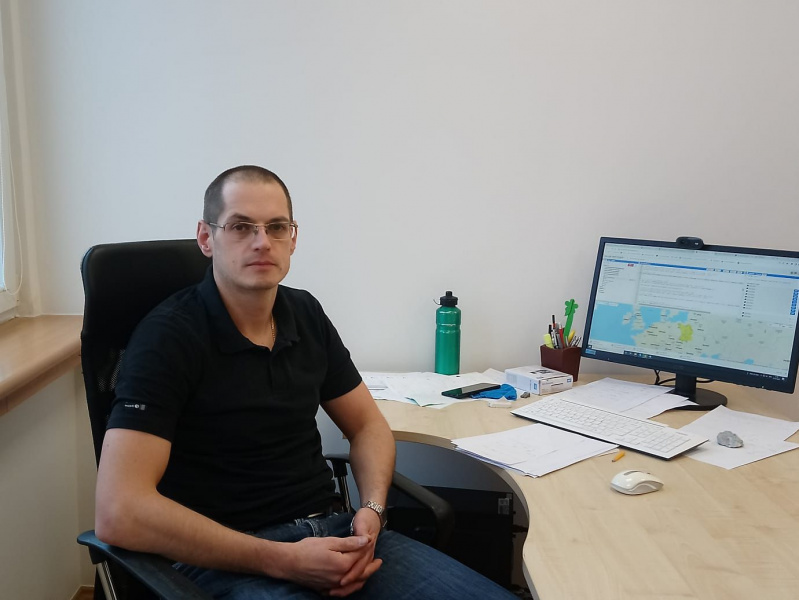
dr hab. inż., prof. PAN Michael Nones
mnones@igf.edu.pl
Department of Hydrology and Hydrodynamics
Project value: 1 087 630,00PLN
Funding institution: National Science Centre, Poland
Discipline: Earth Science
Project duration: 2026-2030
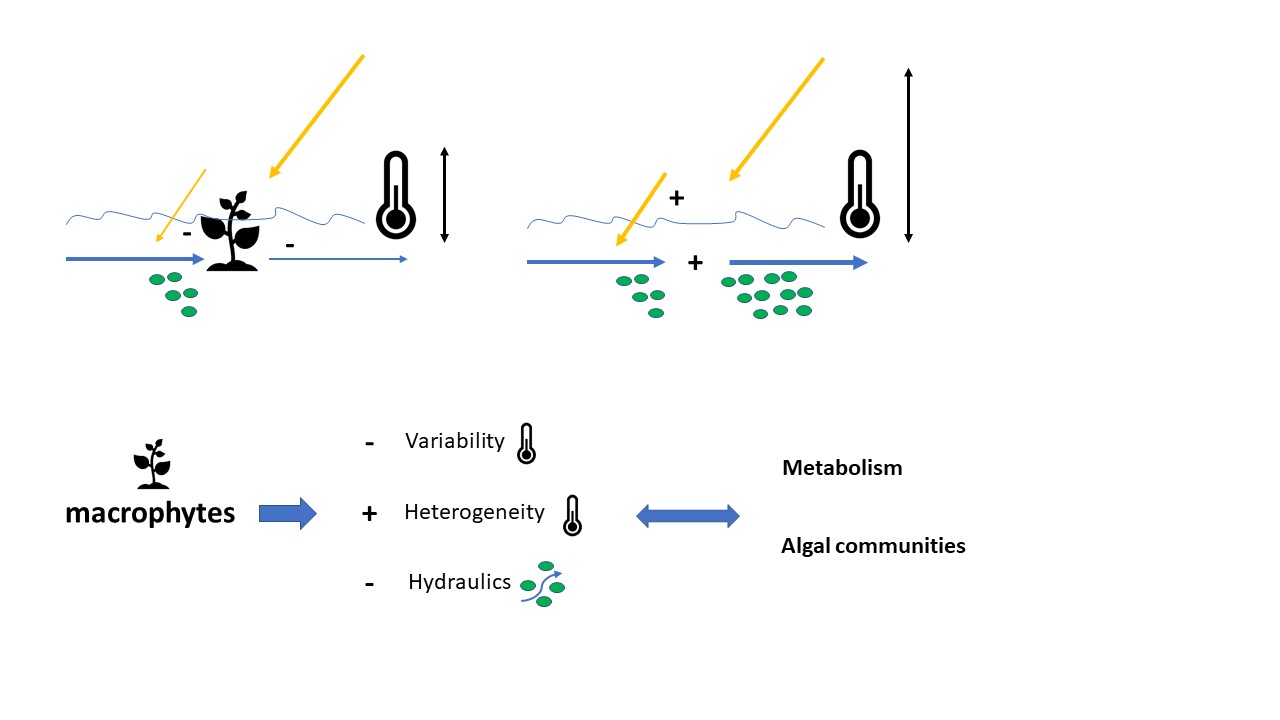
MARITE investigates the influence of aquatic macrophytes on water temperature in small lowland rivers in intensively used landscapes in Austria and Poland by integrating monitoring information with modelling results.
Like a large part of Europe, Poland and Austria are dominated by lowland intensively-used landscapes, and the majority of watercourses crossing such a type of environment are small low-dynamic rivers. Their characteristic feature is an intensive overgrowth of emergent aquatic macrophytes, both along the banks and submerged plants in the main channel.
The influence of these morphological groups of aquatic macrophytes on water temperature and stream metabolism in small low-dynamic rivers has received less attention so far, but MARITE will fill this gap by combining laboratory and field experiments with numerical modelling. and using a transdisciplinary approach.
dr inż. Paulina Zieja
paulina.zieja@igf.edu.pl
Department of Polar and Marine Research
Project value: 29 700,00 PLN
Funding institution: National Science Centre, Poland
Discipline: Earth Science
Project duration: 2025-2027
dr Tesfaye Senbeta
tsenbeta@igf.edu.pl
Department of Hydrology and Hydrodynamics
Project value: 35 686,00 PLN
Funding institution: National Science Centre, Poland
Discipline: Earth Science
Project duration: 2025-2026
The project aims to apply a spatially distributed surface-groundwater modelling approach to identify significant climatic and anthopogenic stresses affecting shallow aquifers and their interaction with the surface water system during drought. The research includes a pilot study in the Vistula River basin and a research visit to Colorado State University (Prof. Ryan Bailey’s lab) in the USA. The project proposes integrating a data driven lumped parameter groundwater model for prior analysis of unconfined groundwater heads and factors affecting it with the SWAT+ spatially distributed groundwater flow model. The proposed approaches will help improve the performance of the coupled model during drought and understand how forest restoration to combat climate change and increased groundwater abstraction affect local and regional hydrological connectivity.
prof. dr hab. inż. Barbara Orlecka
orlecka@igf.edu.pl
Department of Seismology
Project value: 1 405 847,00 PLN
Funding institution: National Science Centre, Poland
Discipline: Earth Science
Project duration: 2025-2028
TrackPreQuake explores how earthquakes develop and what factors trigger them, including natural processes and human activities such as mining, geothermal energy production, and reservoir filling. By combining laboratory experiments, field data, and advanced computer models, the project studies the evolution of stress and cracks in the Earth’s crust at multiple scales – from microfractures to large tectonic faults. The project also examines unique patterns, like antirepeat earthquakes, and uses artificial intelligence to detect early signals of seismic activity. The ultimate goal is to create a universal model of earthquake preparatory processes, which could improve hazard assessments, support safer management of underground industries, and enhance society’s preparedness for earthquakes. The findings will be shared globally, contributing to sustainable and resilient communities.

dr inż. Wojciech Gajek
wgajek@igf.edu.pl
Department of Geophysical Imaging
Project value: 456 280,00 PLN
Funding institution: National Science Centre, Poland
Discipline: Earth Science
Project duration: 2025-2028
BrewDAS is a project focused on developing efficient methods for analyzing data from fiber-optic sensors (DAS) on the Hans Glacier. Its aim is to enhance the quality
of glacier dynamics monitoring and to advance national expertise in advanced seismic technologies. The first DAS data collected in the Svalbard region within the FROST project will be used to gain a better understanding of how glaciers respond to climate change.
dr hab. Oskar Głowacki
oglowacki@igf.edu.pl
Department of Polar and Marine Research
Project value: 3 497 862,00 PLN
Funding institution: National Science Centre, Poland
Discipline: Earth Science
Project duration: 2025-2031
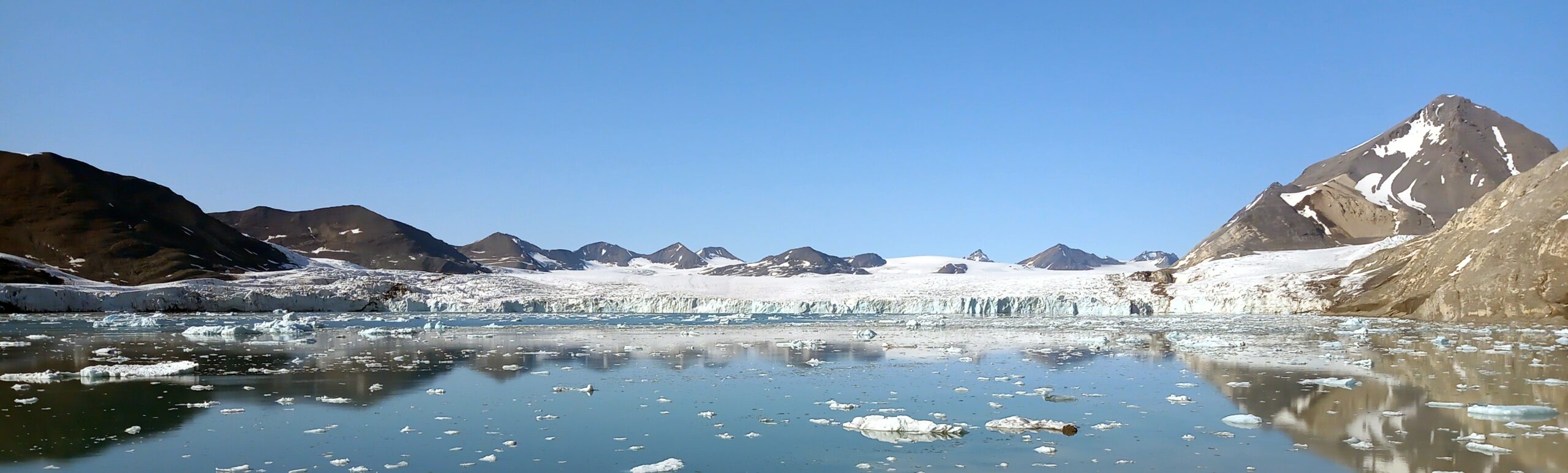
In our project, we study how melting glaciers interact with the warming ocean. We use cutting-edge tools – from drones and underwater microphones to marine robots and sensors that measure conditions in the water. This allows us to track changes not only in the glaciers themselves but also in the fjord they flow into. In this way, the Hornsund fjord in Svalbard becomes a unique natural laboratory that helps us better understand the impacts of climate change.
dr hab. inż. Monika Kalinowska
mkalinow@igf.edu.pl
Department of Hydrology and Hydrodynamics
Project value: 1 993 440,00 PLN
Funding institution: National Science Centre, Poland
Discipline: Earth Science
Project duration: 2025-2029
This project investigates how aquatic and riparian vegetation affects water flow and mixing in small rivers and channels. Vegetation plays a crucial role in maintaining healthy ecosystems, improving water quality, and enhancing natural retention, while also influencing flood and drought dynamics. The research combines field studies, tracer experiments, remote sensing, laboratory measurements, and computer simulations to understand how vegetation affects flow and the dispersion of dissolved substances under various hydrological and vegetative conditions. Unlike most previous studies, this project focuses on natural vegetation in real-world conditions, bridging the gap between laboratory experiments and complex natural environments. The results will provide essential data for water management strategies, including maintaining vegetation in agricultural channels, improving pollutant dispersion models, and balancing flood protection with water retention and quality preservation.
dr Izabela Pawlak
izap@igf.edu.pl
Department of Atmospheric Physics
Project value: 13 310,00 PLN
Funding institution: National Science Centre, Poland
Discipline: Earth Science
Project duration: 2024-2026
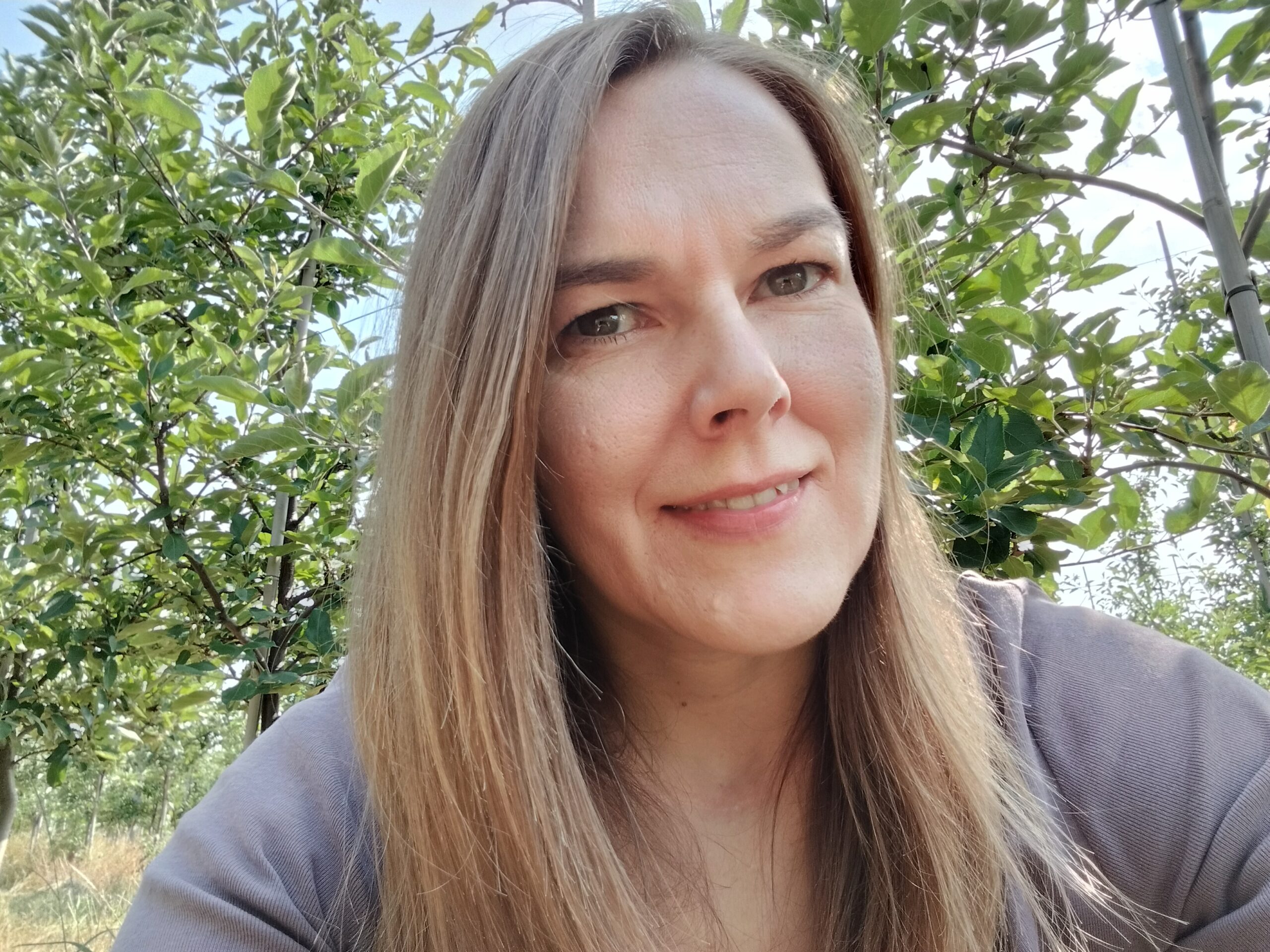
The increase of concentration of greenhouse gases enhances the greenhouse effect and increases the Earth’s average temperature. Considering the observed climate change, measurements of gas exchange between the Earth’s surface and the atmosphere become particularly important. The project, carried out in collaboration with the Warsaw University of Life Sciences, aims to measure carbon dioxide (CO2) fluxes between an apple orchard ecosystem and the atmosphere using the eddy covariance method. The results will allow us to determine the amount of CO2 absorbed or emitted by the analyzed ecosystem and determine its variability over various time scales. Using measurements of basic meteorological parameters, it will be possible to estimate the impact of prevailing meteorological conditions on CO2 exchange and identify the optimal values of individual elements that determine the highest CO2 absorption.
dr Jose Carlos Tacza Anaya
jtacza@igf.edu.pl
Department of Atmospheric Physics
Project value: 772 260,00 PLN
Funding institution: National Science Centre, Poland
Discipline: Earth Science
Project durationi: 2024-2027
The Earth’s atmosphere sustains a persistent global electric field of a few hundred volts per meter maintained by distant thunderstorms, known as the Global Electric Circuit (GEC). We employ a worldwide network of sensors to study how space weather (solar events, cosmic rays) and climate patterns (El Niño, Madden–Julian Oscillation) modulate the GEC and lightning activity. Recent findings show that solar rotation influences cosmic ray flux and that energetic particles can perturb the atmospheric electric field, although the underlying mechanisms remain to be clarified. By refining the GEC model, we aim to improve space weather forecasting and climate prediction.

dr Dominika Niezabitowska-Śliwka
dniezabitowska@igf.edu.pl
Department of Magnetism
Project value: 79 300,00 PLN
Funding institution: National Science Centre, Poland
Discipline: Earth Science
Project duration: 2024-2027
The aim of the project is to clarify the enigmatic nature of the geo- and paleomagnetic record from the Ediacaran (~635–539 million years ago), which will enable the reconstruction of global paleogeography during this critical period in Earth’s history. It will also contribute to a better understanding of the key environmental and biological changes that occurred at that time, including the emergence of multicellular life and the rise of atmospheric oxygen to near-present levels.
The research will focus on Large Igneous Provinces (LIPs), applying an integrated approach that combines high-precision U–Pb and Ar–Ar geochronology with petrographic, geochemical, and paleomagnetic analyses. Deciphering the geo- and paleomagnetic record will allow for the development of a new, robust paleogeographic framework for the Ediacaran, providing a foundation for further studies of environmental and biological evolution during this dynamic interval.

prof. dr hab. Monika Kusiak
Monika.kusiak@igf.edu.pl
Department of Polar and Marine Research
Project value: 5 237 460,00 PLN
Funding institution: National Science Centre, Poland
Discipline: Earth Science
Project duration: 2024-2029
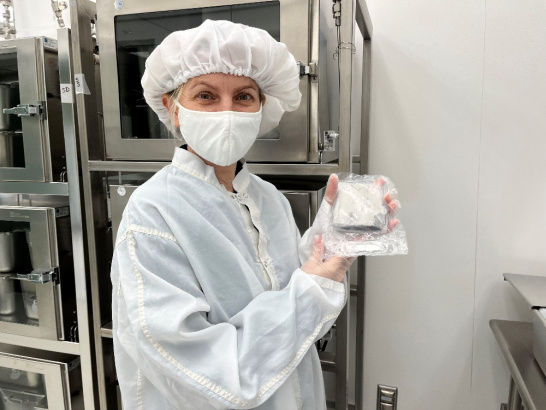
This project aims to determine the paleogeographic relationships of the Bunger Hills (BH) in East Antarctica with Australia, East Antarctica, and India. Three competing hypotheses will be tested to clarify whether BH was part of the Yilgarn Craton, the Mawson Craton, or the Indo-Antarctic continent. The Bunger Hills, the largest ice-free area in East Antarctica, provide a unique natural laboratory to study continental collisions, Large Igneous Province (LIP) events, and lithosphere–mantle interactions during the formation and breakup of supercontinents such as Gondwana and Rodinia. The project combines geochemistry, geochronology, and geophysics across East Antarctica, Western Australia, and the Indian Peninsula. Conducted by an international team from Poland, Australia, India, Norway, and the UK, the research will provide the first comprehensive reconstruction of the paleogeographic history of these continental blocks and advance understanding of their geology, tectonics, and evolution.

dr hab. Michael Nones
mnones@igf.edu.pl
Department of Hydrology and Hydrodynamics
Project value: 1 565 260,00 PLN
Funding institution: National Science Centre, Poland
Discipline: Earth Science
Project duration: 2024-2028
Taking advantage of free satellite images handled with Google Earth Engine, this project aims to investigate the impact that global warming has on large rivers, looking at changes in their sinuosity and the development of riparian vegetation within their banks.
As lateral migration of river channels allows for connecting the main river with its floodplains, eventually controlling sediment deposition and carbon stock outside of the main current, a reduction in river sinuosity might have negative feedback on the greenhouse-gas budgets of the Earth through the competing effects of silicate weathering and organic matter degradation under a warming climate.
Existing studies correlating changes in river sinuosity with climate are limited to cold regions, as those regions are more sensitive to climate change, and are experiencing a faster rate of warming. However, a global dataset of changes in river sinuosity is still missing, and the present project will address this knowledge gap by analyzing large watercourses flowing at all latitudes
dr hab. Michał Pętlicki
petlicki@igf.edu.pl
Department of Hydrology and Hydrodynamics
Project value: 527 782,00 PLN
Funding institution: National Science Centre, Poland
Discipline: Earth Science
Project duration: 2024-2028
The goal of this project is to understand how the “subsurface greenhouse effect” influences the melting of glacier ice. Although this process has been studied only a little so far, it seems to play an important role in the mass balance of so-called Blue Ice Areas (BIA), which are unique features of the Antarctic Ice Sheet. We will look at how surface roughness and the presence of rock fragments affect the absorption of sunlight—one of the main factors driving ice melt. To study this, we will combine different research methods. Mathematical models will help us create detailed simulations of what happens under the ice surface, and we will compare them with satellite lidar measurements (ICESat-2). We will also use machine learning to better analyze satellite images and large datasets, which will help improve the models. Our main research area will be the glacier ablation zones near the Polish Antarctic Station Dobrowolski, located in the Bunger Oasis, East Antarctica. This location is especially important for Poland because of the station’s recent revitalization and the restart of Polish research in the region.
dr Artur Szkop
aszkop@igf.edu.pl
Department of Atmospheric Physics
Project value: 599 020,00 PLN
Funding institution: National Science Centre, Poland
Discipline: Earth Science
Project duration: 2024-2027
This project focuses on improving air pollution forecasts in Central Europe, where smog is a recurring problem. By studying the links between local weather patterns
and high aerosol concentrations, we aim to identify reliable predictors of smog events. Our goal is to make forecasts more accurate and useful in protecting people’s health and well-being.

dr Zuzanna Świrad
zswirad@igf.edu.pl
Department of Polar and Marine Research
Project value: 996 970,00 PLN
Funding institution: National Science Centre, Poland
Discipline: Earth Science
Project duration: 2024-2027

Despite dense population, developed infrastructure, and tourism, the Baltic Sea’s rocky cliffs have received little scientific attention. The global database of cliff retreat rates includes only one publication focusing on Baltic rocky coasts—and it is based solely on measuring the changing distance between buildings and cliff edges.
Such an approach does not allow us to observe gradual or episodic dynamics, understand erosion mechanisms, identify controlling factors, or predict future changes
at scales useful for coastal management. In general, there is a lack of high-resolution topographic data and multi-scale studies that could provide a better understanding of rocky coast dynamics. In this project, we aim to answer three main questions: How do these findings fit into the broader global and long-term context?; What do the Baltic rocky coasts look like?What factors control the current rate of erosion?
dr Toktam Zand
tzand@igf.edu.pl
Department of Geophysical Imaging
Project value: 190 320,00 PLN
Funding institution: National Science Centre, Poland
Discipline: Earth Science
Project duration 2024-2027
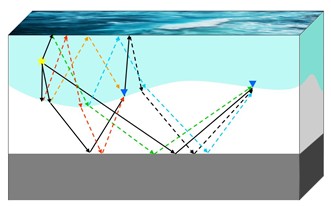
2D section of a schematic seismic rays. The solid blacklines show the direct rays and primary reflections. The dashed lines show the waves reflecting from surface, travel back into the ground, and return to the surface, providing more information from underground.
Getting accurate images of the Earth’s interior is essential for many important areas, including earthquake forecasting, hazard assessment, construction planning, and exploring natural resources. Seismic imaging technology offers a powerful, non-invasive way to see beneath the surface without digging or drilling.
In this innovative project, we introduce a new imaging method to improve the quality of underground images while enabling a significant reduction in production costs. This is made possible by appropriately utilizing seismic waves that reflect off the Earth’s surface, travel back into the ground, and return to the surface, signals that are often ignored by traditional techniques.
dr Łukasz Przyborowski
jprzyborowski@igf.edu.pl
Department of Hydrology and Hydrodynamics
Project value: 589 992,00 PLN
Funding institution: National Science Centre, Poland
Discipline: Earth Science
Project duration: 2024-2027
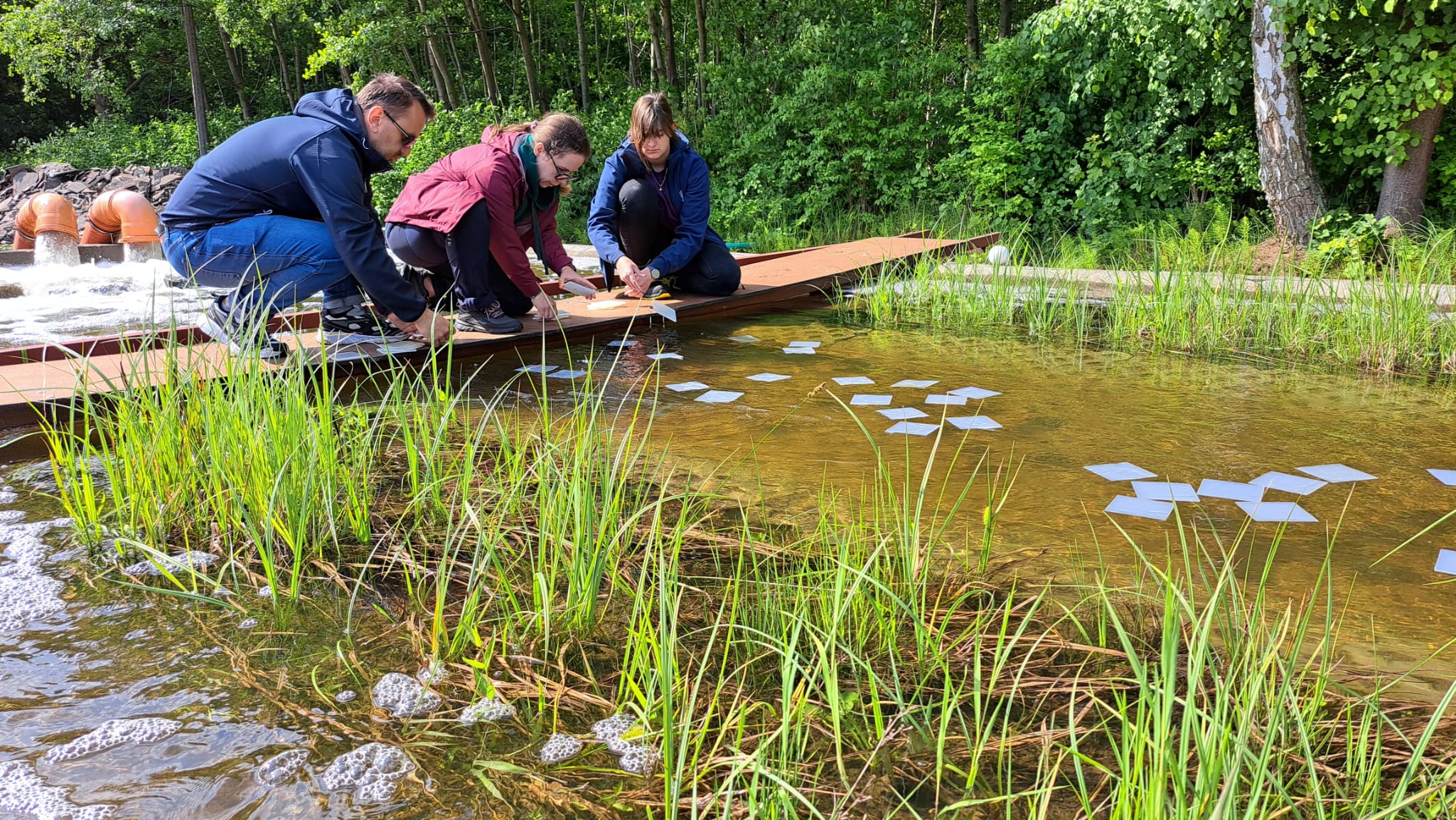
Photo: Łukasz Przyborowski (IGF PAN), Anna Łoboda (IGF PAN), Zuzanna Cuban (IBW PAN)
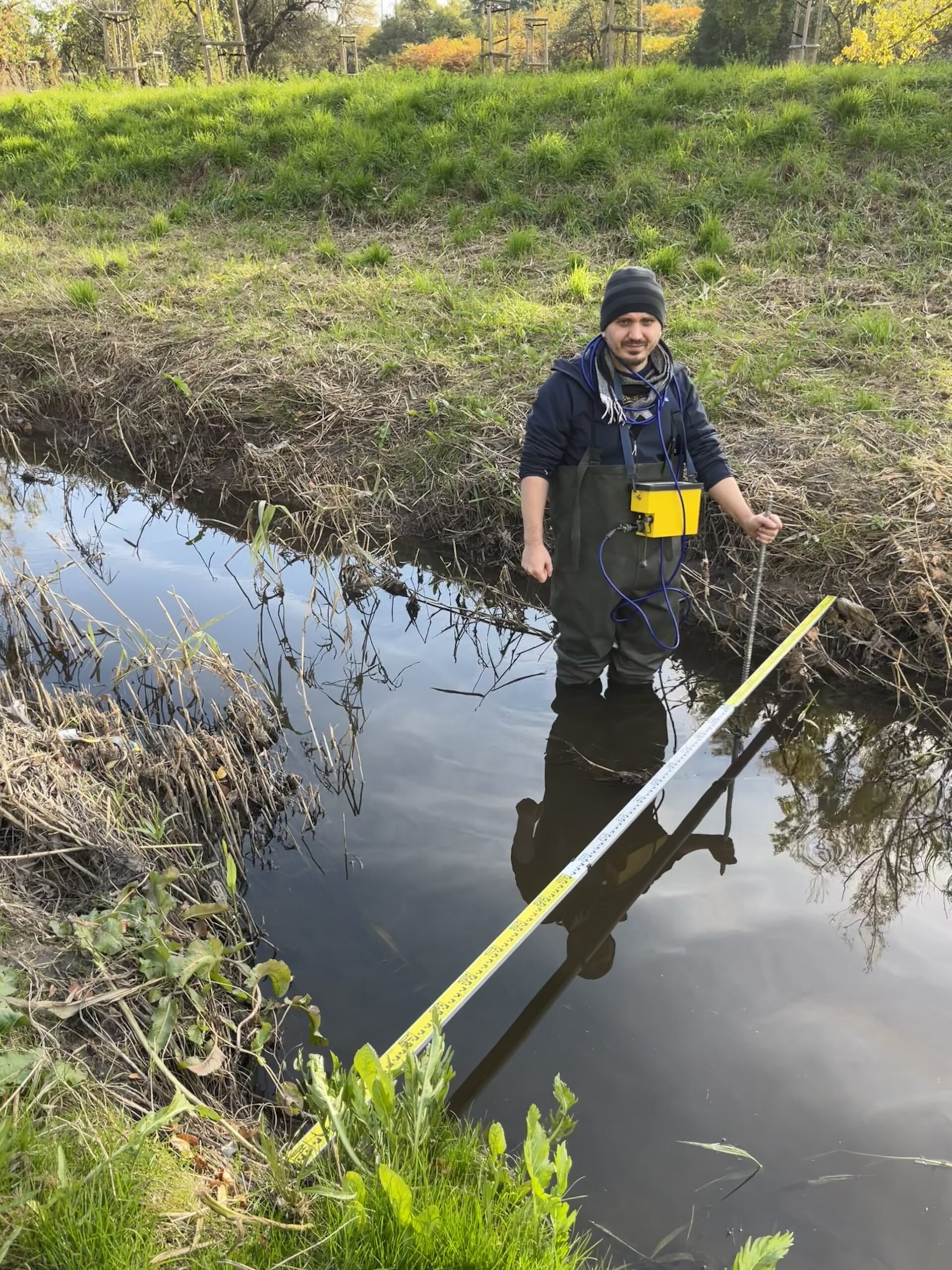
The project in cooperation with the Institute of Hydro-Engineering of the Polish Academy of Sciences and the Gdańsk University of Technology, includes a comprehensive study of plastic transport process in rivers. In situ measurements and monitoring are performed in a stream overgrown with vegetation, as well as full-scale experiments in a controlled laboratory channel. Data from these measurements will be then used to prepare and evaluate a mathematical model and numerical simulations of plastic transport.
dr hab. Krzysztof Mizerski
kamiz@igf.edu.pl
Department of Magnetism
Project value: 1 244 000,00 PLN
Funding institution: National Science Centre, Poland
Discipline: Earth Science
Project duration: 2024-2028
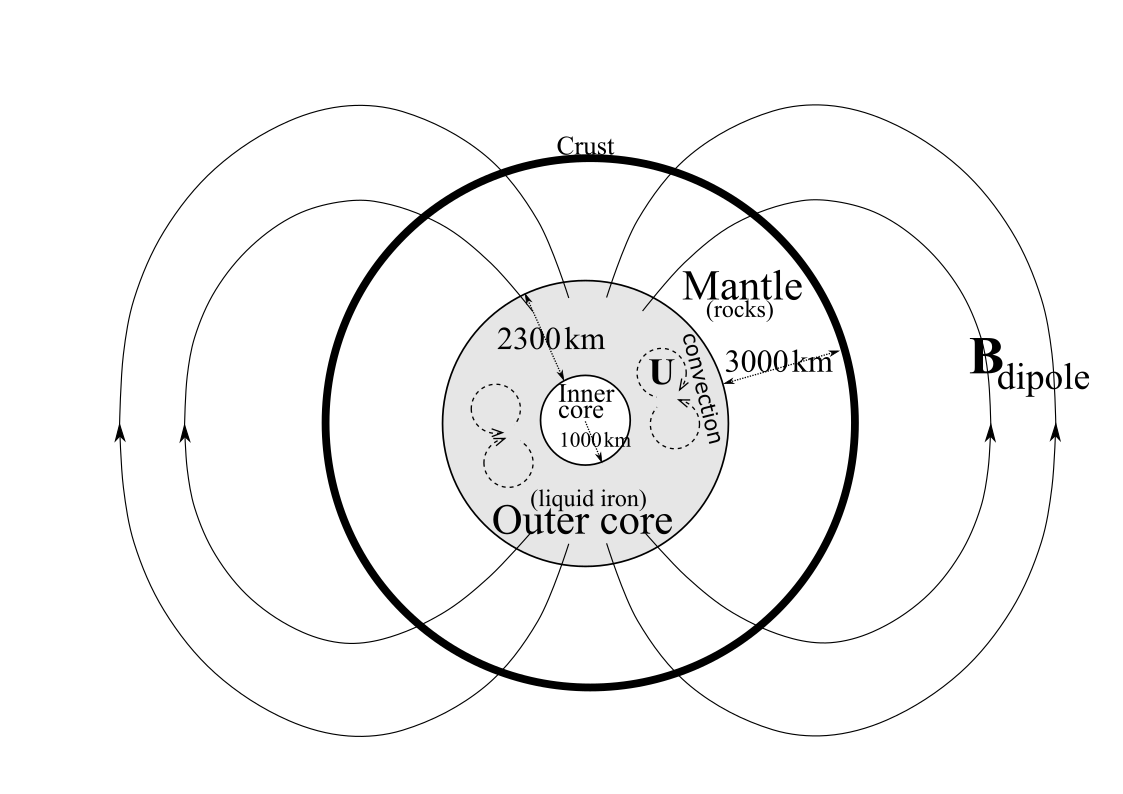
Photo: The Earth’s internal structure and the dynamo in the liquid core
The aim of this project is to relax standard simplifying assumptions of stationarity and homogeneity of turbulence and apply non-equilibrium dynamo mechanisms to the geodynamo theory. These mechanisms result from a random superposition of distinct waves and the wave-beating effect, which leads to a very fast amplification of the mean magnetic field. Such mechanisms not only efficiently amplify the magnetic field, but also lead to slow time dependence of the large scale electromotive force and turbulent magnetic diffusivity and through that provide an interesting and potentially promising explanation of the well-known dynamical process of geomagnetic excursions and reversals. The results of the project can therefore shed some light on the physics of geomagnetic reversals and provide highly desired picture of a turbulent process, which could be responsible for the observed long-term behaviour of the geomagnetic field.
dr Emilia Karamuz
emikar@igf.edu.pl
Department of Hydrology and Hydrodynamics
Project value: 11 836,00 PLN
Funding institution: National Science Centre, Poland
Discipline: Earth Science
Project duration: 2023-2025
This project will analyze the usefulness of new measurement methods for characterizing soil moisture conditions in the Świder catchment area, with particular focus
on periods of increasing moisture deficit that lead to the development of agricultural drought. Understanding the short-term mechanisms that control the onset, intensification, and decline of unfavorable soil moisture conditions is crucial for explaining the dynamics of agricultural drought, especially its sudden development, intensification, and spread. An innovative approach based on assimilating ground data with imagery from Unmanned Aerial Vehicles (UAVs) will allow for a more accurate analysis of soil drought dynamics.
Assessing changes in soil moisture conditions is a highly relevant research topic and aligns with the main directions of current scientific studies and publications. Soil moisture plays a key role in the functioning of both natural and agricultural ecosystems. Unfortunately, estimating changes in this parameter remains challenging. Access to soil moisture data is very limited, there is no continuous monitoring, and model simulations carry significant uncertainty—especially when examining conditions at the local scale.
dr Dariusz Baranowski
dbaranowski@igf.edu.pl
Department of Atmospheric Physics
Project value: 1 545 400,00 PLN
Funding institution: National Science Centre, Poland
Discipline: Earth Science
Project duration: 2023 – 2027
Interactions at the atmosphere–ocean interface are a fundamental part of the Earth’s climate system and have important consequences for ecosystems. Daily changes in local exchanges between the atmosphere and the ocean affect both environments and can evolve into larger-scale processes through interactions with mesoscale circulation. As a result, these local processes may influence the development of weather patterns. At the same time, weather models struggle to realistically capture daily variations at the atmosphere–ocean boundary. This is due to gaps in our understanding of the physical mechanisms behind these interactions, which in turn stem from the scarcity of reliable, correlated measurements in the coupled atmosphere–ocean environment at the air–sea interface.
prof. Ali Gholami
agholami@igf.edu.pl
Department of Geophysical Imaging
Project value: 2 003 010,00 PLN
Funding institution: National Science Centre, Poland
Discipline: Earth Science
Project duration: 2023-2027
Wave-based imaging is a powerful tool used in medicine, geophysics, and environmental studies to look inside objects using recorded wave data. However, current methods often struggle with incomplete data and limited computational resources, leading to poor-quality results. Our project focuses on developing new, more stable and scalable optimization techniques that can overcome these challenges. This will make it possible to achieve high-quality reconstructions even when the available data are limited or imperfect.
dr Piotr Król
piotr.krol@igf.edu.pl
Department of Hydrology and Hydrodynamics
Project value: 209 657,00 PLN
Funding institution: National Science Centre, Poland
Discipline: Earth Science
Project duration 2023-2026
The project focuses on reconstructing the evolution of the continental crust in East Antarctica between 3.3 and 2.5 billion years ago, using rocks from the Amundsen Bay area, which form part of the Napier Complex. The study involves geochronological and isotopic analyses of accessory minerals, primarily zircons, as well as whole-rock geochemical analyses, in order to reconstruct the conditions and timing of crust formation and subsequent metamorphic overprints. The aim of the project is to test the hypothesis that the Napier Complex comprises distinct geological units, each with its own tectonic and magmatic history. The time interval of 3.3–2.5 Ga marks a period of fundamental changes on Earth – it is hypothesized that plate tectonics may have emerged during this interval. This project may therefore provide valuable insights into the geodynamic processes that shaped the early Earth.
mgr inż. Monika Staszek
mstaszek@igf.edu.pl
Department of Seismology
Project value: 136 640,00 PLN
Funding institution: National Science Centre, Poland
Discipline: Earth Science
Project duration: 2023-2026
Assessment of combined spatiotemporal multiplet analysis and static stress drop mapping as a general method for identifying and characterizing major seismogenic zones in enhanced geothermal systems.
dr Dariusz Baranowski
dbaranowski@igf.edu.pl
Department of Atmospheric Physics
Project value: 1 570 000,00 PLN
Funding institution: National Science Centre, Poland
Discipline: Earth Science
Project duration: 2023 – 2026
Floods and landslides caused by extreme rainfall are major challenges, and their management depends on reliable weather forecasts. Much of this predictability is linked to tropical circulation, especially over the Maritime Continent (MC) – a region of islands and seas in Southeast Asia, including Indonesia, Malaysia, Papua New Guinea, and the Philippines. It is the wettest place on Earth and one of the most influential regions for global weather and climate. Daily convection drives intense rainfall in the MC, but its scale and organization vary greatly, and the underlying mechanisms are still not fully understood. This limits our ability to predict extreme rainfall on subseasonal timescales. Our project focuses on understanding the physical mechanisms behind these events, the interactions between the atmosphere and ocean, and improving predictability using available observations.

prof. dr hab. inż. Monika Kusiak
monika.kusiak@igf.edu.pl
Department of Polar and Marine Research
Project value: 1 895 330,00 PLN
Funding institution: National Science Centre, Poland
Discipline: Earth Science
Project duration: 2023-2026
Zircon is one of the most important minerals for dating Earth’s history, because it traps uranium and thorium that slowly decay into lead over time. Until recently, scientists assumed that all lead in zircon simply accumulated since the crystal formed. New research, however, shows that during metamorphism some of this radiogenic lead can move and become locked inside tiny nano-inclusions within the crystal. This project explores how and why lead moves inside zircon, and how often this happens. A better understanding of these processes will make age measurements more reliable and help geologists interpret Earth’s complex history more accurately.
prof. dr hab. Zbigniew Czechowski
zczech@igf.edu.pl
Department of Geophysical Imaging
Project value: 296 400,00 PLN
Funding institution: National Science Centre, Poland
Discipline: Earth Science
Project duration: 2023-2026
Extreme events such as floods, droughts, hurricanes, storms, earthquakes, or economic crises like recessions and stock market crashes pose serious risks to society.
To understand and predict them, scientists analyze time series — sequences of measurements like rainfall, river levels, wind speeds, or economic indicators. Extremes appear in these series as values that exceed a certain threshold. Current theories explain some aspects of extremes, but they often assume simplified conditions that don’t reflect the complex, nonlinear, long-memory behavior seen in real natural or economic data.This project develops new mathematical and numerical models that better capture how extremes behave in realistic geophysical time series. By combining simulations with real-world data, we aim to improve our ability to analyze and predict extreme natural, economic, and social events. Ultimately, this knowledge will support better risk assessment and help reduce potential social and economic losses.
Seismic imaging and monitoring of environmentally induced changes in the
structure of critical large scale artificial and natural objects
prof. dr hab. Mariusz Majdanski
mmajd@igf.edu.pl
Department of Geophysical Imaging
Project value:: 1 561 548,00 PLN
Funding institution: National Science Centre, Poland
Discipline: Earth Science
Project duration: 2023-2027
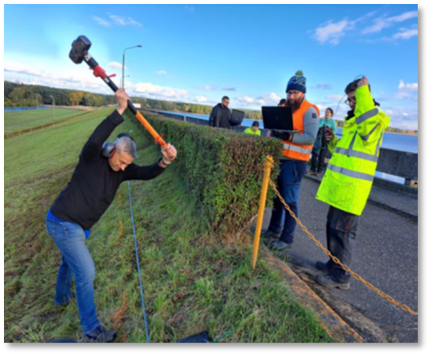
Prace terenowe na zaporze zbiornika w Rybniku
The scientific aim of the project is to image and monitor the temporal changes in the internal structure of large scale critical earth objects with adapted state of the art seismological technologies and methods.
In the project we would like to use the most advanced seismic methods to image temporal changes in three different scale objects related to water circulation in the environment: large scale earth filled dam, massive creeping natural landslide, large flood embankment. Moreover, we would like to propose a new methodology that combines different geophysical methods and gives the most precise image of the internal structure in each case.
Surveying environmental changes using active geophysical methods is not new on a global scale. However, the idea of using the latest seismic techniques in time lapse manners is leading to the study of climate-related changes in Poland and their impact on critical zones. Currently, multiple research teams are studying climate-related changes across polar regions, where they are easy to observe. Also, the effort to monitor natural hazards in Europe is widespread. With recent developments in the high-density acquisition and advanced data interpretation techniques, it is possible to investigate those changes in places where the amplitude of climate-related factors is smaller or slower. Because of the unprecedence accuracy of imaging, thanks to the high-resolution seismic techniques, the smallest perturbation in the subsurface can be observed with great precision even at large depths. The overall data quality significantly exceeds every previously used technique and provides new insight into the subsurface of critical infrastructure and natural hazard zones. Moreover, those non-invasive techniques can be used in critical and protected objects and not cause further devastation. Additionally, our survey will be the first in Poland to use the fiber optic cables system, which is the latest development in terms of subsurface structure imaging. Similar systems will be used for studying environmental problems in the following years, and thus estimation of their limitations and possibilities in such studies is essential.
dr Maciej Bartosiewicz
maciej.bartosiewicz@igf.edu.pl
Department of Polar and Marine Research
Project value: 206 424,00 PLN
Funding institution: National Science Centre, Poland
Discipline: Earth Science
Project duration: 2021-2026
Lakes and their sediments act as natural bioreactors, storing and transforming organic matter while releasing significant amounts of greenhouse gases (CO₂, CH₄, N₂O) into the atmosphere. At the same time, under certain seasonal conditions, some lakes can also absorb CO₂. Our project investigates greenhouse gas dynamics in Arctic and Alpine lakes (Svalbard, Norway, Switzerland) and how climate change affects their emission and uptake. We focus on processes such as temperature and precipitation shifts, shorter ice cover periods, extreme hydrological events, and nutrient inputs. The results will provide new insights into the role of lakes in the global greenhouse gas balance, supporting climate science, adaptation strategies, and policy-making.
dr hab. Oskar Głowacki
oglowacki@igf.edu.pl
Department of Polar and Marine Research
Project value: 920 654,00 PLN
Funding institution: National Science Centre, Poland
Discipline: Earth Science
Project duration: 2022-2026
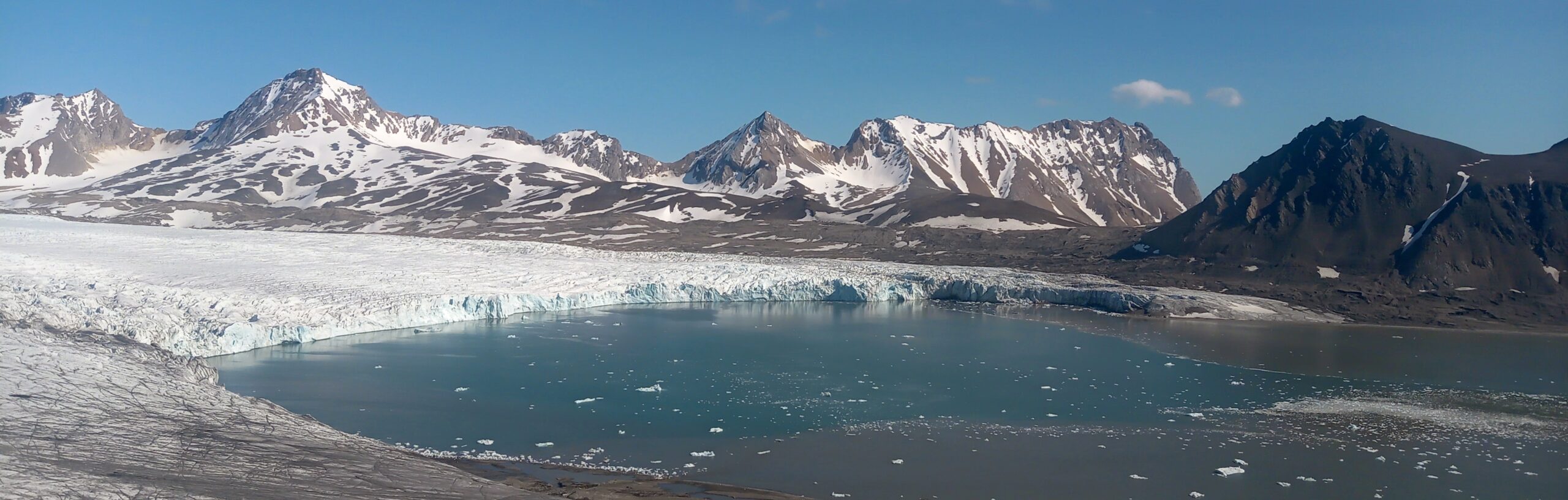
In our project, we study one of the most spectacular and crucial processes in the Arctic – glacier calving, that is, the breaking off of icebergs the size of multi-storey buildings. We use modern research methods such as recording the underwater sounds of cracking ice and laser scanning of glacier surfaces. This allows us to better understand when and why glaciers calve, and what determines the intensity of this process.

dr Sylwia Dytłow
skdytlow@igf.edu.pl
Department of Magnetism
Project value: 387 041,00 PLN
Funding institution: National Science Centre, Poland
Discipline: Earth Science
Project duration: 2022 – 2026
Rapid urbanization has intensified environmental pollution, making it crucial to develop effective monitoring methods and raise public awareness of health risks. Magnetic measurements stand out as a modern tool to track pollution levels and distribution, with potential as indicators of harmful compounds. This project focuses on street dust in Warsaw, analyzing its magnetic properties and the presence of polycyclic aromatic hydrocarbons (PAHs). By linking PAH concentrations with magnetic parameters, we aim to test whether magnetic susceptibility can serve as a reliable proxy for PAH pollution, offering a new approach to assessing environmental and health impacts.
dr hab. Daniel Dunkley
daniel.dunkley@igf.edu.pl
Department of Magnetism
Project value: 1 519 350,00 PLN
Funding institution: National Science Centre, Poland
Discipline: Earth Science
Project duration: 2022-2026
Antarctica is a mosaic of ancient crustal blocks formed at different stages of Earth’s history. The oldest known fragments, dating back over 3.6 billion years, are preserved in the Napier Complex of East Antarctica, with additional evidence from Kemp Land. These rocks record early crust formation, high-temperature tectonothermal events around 2.5 Ga, and later reworking during orogenies at 1.6 and 1.0 Ga. Similar geological events are recognized in southern India, once connected to East Antarctica within Gondwana. However, younger orogenic belts indicate later crustal reconfiguration. This project investigates isotopic relationships between the Napier and Rayner Complexes in East Antarctica and Indian cratons to reconstruct their early connections and the tectonic evolution of this ancient continental core.
dr inż. hab. Andrzej Górszczyk
agorszczyk@igf.edu.pl
Zakład: Obrazowania Geofizycznego
Project value: 708 740,00 PLN
Funding institution: National Science Centre, Poland
Discipline: Earth Science
Project duration: 2022-2027
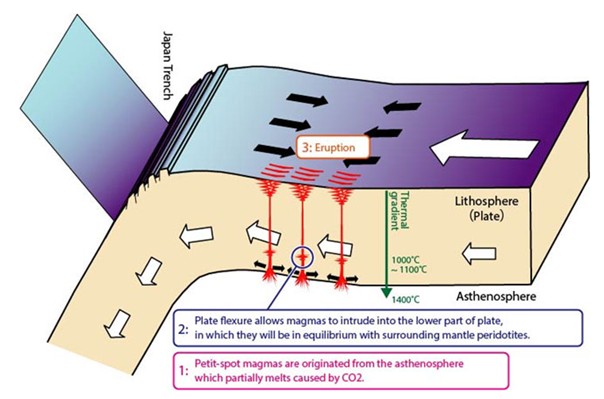
The project is focused on seismic investigation of the petit-spot volcanism – recently discovered phenomenon that shed a new light on our understanding of the intraplate volcanism. Petit-spot volcanoes (or petit-spots) are small volcanoes that erupt along lithospheric fractures in response to plate flexure during subduction. Their discovery was of great significance, as it demonstrated, that tectonic processes have potential to cause intraplate volcanism, and supported the existence of small-degree melts at the base of the lithosphere. Similar structures have been found in the vicinity of other coasts – suggesting that the petit-spot volcanism is the global process.
Among different questions, one issue to be clarified is the extraction and transport of melts to the surface that would require development of lithospheric-scale fractures. No physical model has been developed yet to test this hypothesis. Therefore, to improve our understanding of the processes accompanying formation of petit-spots, we want to employ the leading-edge full-waveform based inversion and depth-migration techniques to retrieve the high-resolution models of subsurface using different types of unique seismic data acquired in the outer-rise region of the Japan Trench – the area w here the petit-spot volcanoes were discovered for the first time.
dr hab. Michael Nones
mnones@igf.edu.pl
Department of Hydrology and Hydrodynamics
Project value: 442 080,00 PLN
Funding institution: National Science Centre, Poland
Discipline: Earth Science
Project duration: 2022-2026
Floods are increasing in severity, duration and frequency, owing to changes in climate, land use, infrastructure and population demographics, along with the damage they cause. The current state-of-art in flood management, indeed, has many limitations, which are now becoming increasingly evident and need to be addressed with a joint effort of academia and practitioners.
Using the Vistula (Poland) and the Po (Italy) rivers as case studies, the project aims to:
The Vistula and Po rivers are strategically important from a flood risk perspective, as they flow through many cities and industrial areas, with millions of people living within proximity to the river and therefore exposed to potential flooding events.
A comparison of the outcomes can provide additional insights on the importance of considering local, catchment-specific conditions in developing flood risk management plans.
dr hab. Aleksander Pietruczuk
alek@igf.edu.pl
Department of Atmospheric Physics
Project value: 1 661 008,00 PLN
Funding institution: National Science Centre, Poland
Discipline: Earth Science
Project duration: 2022-2026
Atmospheric aerosols—tiny solid and liquid particles suspended in the air—play a key role in climate processes, cloud properties, and human health. Yet, it remains unclear which measurements are essential for reliable monitoring and forecasting of their variability, and how dense aerosol monitoring networks should be. This project proposes a synergistic, multi-technique approach that combines in-situ observations, remote sensing, and integrated data to build hybrid profiles of aerosol properties.
By linking subregional measurements with advanced numerical methods, we aim to provide a consistent picture of aerosol distribution throughout the troposphere.
dr hab. Krzysztof Michalski
krzysztof.michalski@igf.edu.pl
Department of Magnetism
Project value: 976 549,00 PLN
Funding institution: National Science Centre, Poland
Discipline: Earth Science
Project duration 2022-2027
Neoproterozoic Era (1000–541 Ma) was a turning point in Earth’s history. The breakup of the supercontinent Rodinia triggered global climate shifts, including “Snowball Earth” episodes, and accelerated biological evolution. Our project studies well-preserved Neoproterozoic rocks in eastern Svalbard to track ancient continental movements, test True Polar Wander hypotheses, and refine models of Rodinia’s breakup—shedding light on Earth’s geodynamics and the conditions that shaped early life.
dr hab. Anna Odzimek
aodzimek@igf.edu.pl
Department of Atmospheric Physics
Project value: 378 800,00 PLN
Funding institution: National Science Centre, Poland
Discipline: Earth Science
Project duration: 2022-2025
The project, funded by the National Science Centre (NCN), aims to analyse the long-term observations from Stanisław Kalinowski Geophysical Observatory in Otwock-Świder, and to model the Global Atmospheric Electric Circuit (GEC) using the EGATEC model. For this purpose, we digitised electricity and meteorological data from years 1957-2005 published in the Observatory’s yearbooks. The data also served as validation data for the EGATEC model which requires more development work. During the project an international workshop was held in Warsaw to support collaboration in the area of GEC modelling.
dr hab. Grzegorz Lizurek
lizurek@igf.edu.pl
Department of Seismology
Project value: 1 015 744,00 PLN
Funding institution: National Science Centre, Poland
Discipline: Earth Science
Project duration: 2022-2027
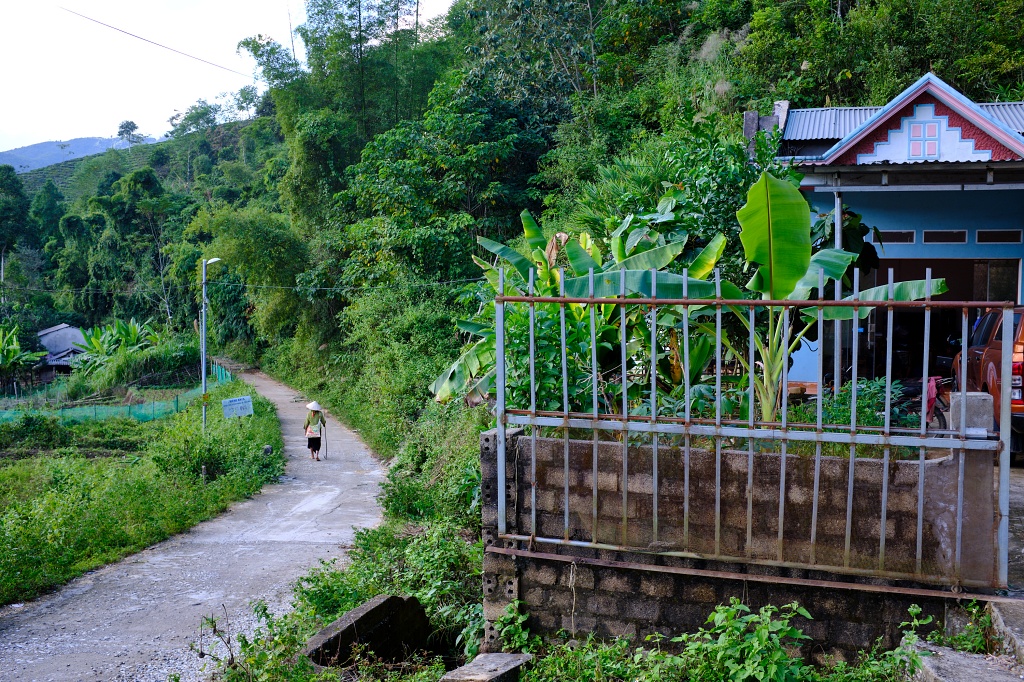
photo: the first seismic station in Tan
The phenomenon of triggering earthquakes by reservoir exploitation has been known for a long time, but the details of this mechanism have not been thoroughly investigated. Recent scientific discoveries show the influence of migrating fluids in rock formations on the triggering of shallow earthquakes, e.g. in California and the Czech Republic. For this reason, determining areas of increased permeability or potential fluid migration paths in rocks and the influence of such migration on the triggering of tremors is an important element of understanding the entire process leading to shallow earthquakes. The aim of the project is to indicate areas of increased permeability or potential fluid migration paths in rocks near artificial water reservoirs based on the concentrations of tremors occurring there. Another goal is to determine the influence of seasonality in the occurrence of hydrological phenomena, including extreme ones, such as floods, on the occurrence of earthquakes near artificial water reservoirs. Machine learning techniques will be used to detect and localize tremors. Their aim is to increase the number of tremors for further analysis, improve the precision of location and to identify and localize zones of increased fluid permeability, their indicator will be finding tremors with a high similarity of seismograms. The results of this project should make a significant contribution to the general knowledge of the processes of earthquake triggering by fluid migration in rock media.

dr Zuzanna Świrad
zswirad@igf.edu.pl
Department of Polar and Marine Research
Project value: 768 273,00 PLN
Funding institution: National Science Centre, Poland
Discipline: Earth Science
Project duration: 2021-2025
The project focuses on modeling wave energy reaching the shores of Hornsund, a ~300 km² fjord in southwestern Spitsbergen, Svalbard, by:
The main goal is to understand how climate change, particularly sea ice loss and increasing storm intensity, affects Arctic coastlines and to predict current and future beach water levels.
dr Maciej Bartosiewicz
maciej.bartosiewicz@igf.edu.pl
Department of Polar and Marine Research
Project value: 1 242 106,00 PLN
Funding institution: National Science Centre, Poland
Discipline: Earth Science
Project duration: 2021-2026
Lakes and their sediments act as natural bioreactors, processing and storing large amounts of organic matter. They release significant amounts of greenhouse gases—carbon dioxide (CO2), methane (CH4), and nitrous oxide (N2O)—into the atmosphere, though some lakes can also absorb these gases seasonally. This project focuses on Arctic and Alpine lakes (Revvatnet – Svalbard; Nigardsvatnet – Norway; Nero, Bianco, and Dentro – Switzerland) to study how climate change affects greenhouse gas concentrations. Changes in temperature, precipitation, ice cover, and nutrient inflows can alter organic matter metabolism, gas production, and overall lake connectivity.
Our research examines key mechanisms, including:
Understanding these processes helps predict and mitigate climate change impacts on lake ecosystems. The findings are relevant to scientists, policymakers, and the public worldwide.
dr hab. Mateusz Moskalik
mmosk@igf.edu.pl
Department of Polar and Marine Research
Project value: 293 288,00 PLN
Funding institution: National Science Centre, Poland
Discipline: Earth Science
Project duration: 2021-2025
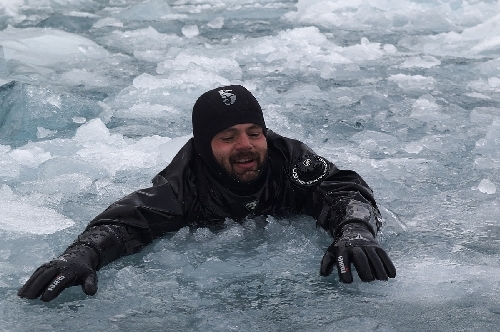
Global warming affects the transport and fate of pollutants in the Arctic. One key group of contaminants is heavy metals (e.g., Hg, Cd, As, Pb, Zn, Cu). While some metals occur naturally, over 90% originate from human activities. For centuries, these pollutants have accumulated in glaciers, but accelerated melting due to rising temperatures now increases their release into fjord ecosystems, potentially posing significant risks. This issue remains poorly understood. The Hornsund Fjord (Spitsbergen) was selected for study because its glaciers are melting at the fastest rates on the island. This project aims to assess the heavy metal load carried by freshwater—mainly from glacier melt—into the Arctic fjord. We hypothesize that meltwater from glaciers directly entering the fjord is the primary source of these pollutants. Research combines field measurements, laboratory analyses, and freshwater inflow modeling. Fieldwork is conducted at the Stanisław Siedlecki Polish Polar Station in Hornsund (managed by the Institute of Geophysics, PAS). Laboratory analyses take place in advanced facilities including the Institute of Oceanology, PAS (project leader). The University of Silesia is the third project partner.
prof. dr hab. inż. Marzena Osuch
marz@igf.edu.pl
Department of Hydrology and Hydrodynamics
Project value: 2 810 002,00 PLN
Funding institution: National Science Centre, Poland
Discipline: Earth Science
Project duration: 2021-2026
The Arctic, including Svalbard, is experiencing some of the fastest climate changes on Earth. Rising temperatures, melting snow and ice, and changing precipitation patterns affect the water balance, permafrost degradation, and ecosystem functioning. However, hydrometeorological data from the region remain limited.This project focuses on a detailed analysis of the water balance in two mountainous watersheds in Svalbard, considering river flow, precipitation, evapotranspiration, snow cover, groundwater, and permafrost. Research combines field measurements, remote sensing (UAV, GPR), and advanced hydrological and climate models.
Key objectives include:
The results will improve understanding of climate change impacts on Arctic hydrology and enhance the accuracy of environmental models.
dr hab. inż. Magdalena Mrokowska, prof. IGF PAN
m.mrokowska@igf.edu.pl
Department of Hydrology and Hydrodynamics
Project value: 852 960,00 PLN
Funding institution: National Science Centre, Poland
Discipline: Earth Science
Project duration: 2020-2025
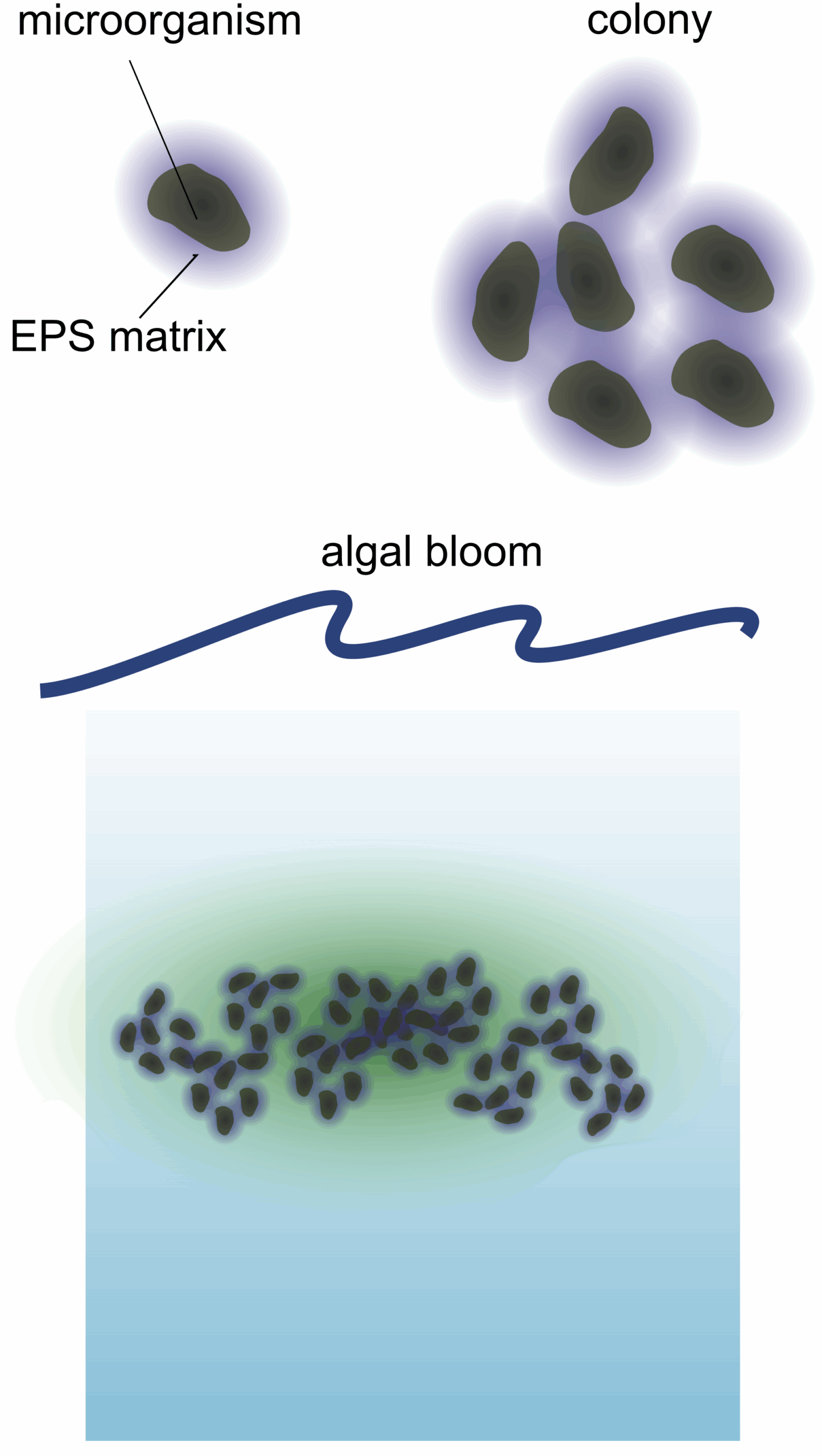
Photo: Scheme of the formation of an EPS-rich layer during algal bloom.
The project revealed previously unrecognized mechanisms influencing sedimentation dynamics in stratified marine waters enriched with exopolymers (EPS). The findings demonstrated that EPS, abundantly secreted by microorganisms during algal blooms, form gel-like structures in seawater, imparting non-Newtonian rheological properties to seawater. Laboratory experiments, including particle settling tests, rheological measurements, and Particle Image Velocimetry (PIV), revealed significant changes in both the rate and behavior of particle sedimentation. These effects were observed on model particles representing minerals, biological aggregates, and microplastics, in EPS-rich seawater. These results suggest that EPS may thus influence the transport of biogens and pollutants into the depths of seas and oceans.
dr hab. Wojciech Czuba
wojt@igf.edu.pl
Department of Lithosphere Seismic Research
Project value: 620 304,00 PLN
Funding institution: National Science Centre, Poland
Discipline: Earth Science
Project duration: 2020-2026
The aim of the project is the determination of seismic structure and anisotropy of the lithosphere (Earth’s crust and part of the upper mantle) and lithosphere-asthenosphere boundary (LAB) in the Carpathian-Pannonian area. One of the main goals of the seismic research is to determine the distribution of the velocities of the seismic P- and S-waves, as they are important parameters not only characterizing elastic properties of rocks, but also providing indications about their chemical and mineral composition as well as their structure (micro cracks, porosity etc.).